
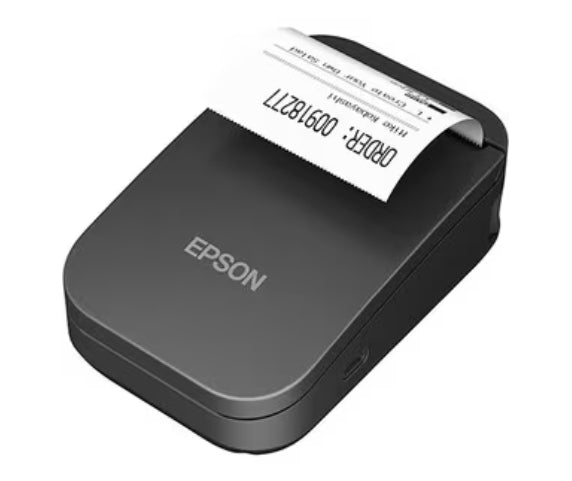
A thermal printer is a type of printer that uses heat instead of liquid ink or toner to create an image. Unlike traditional inkjet or laser devices, it relies on a heated pin or thermal print head to produce text, barcodes and graphics. If you have ever printed a shipping label, EFTPOS receipt or courier sticker, you have already seen how it works in real life application.
Thermal printing is popular across retail, healthcare, logistics and warehousing because it is fast, reliable and cost effective. There is no ink cartridge to dry out and no messy refills. That is one reason businesses choose it when uptime matters.
What Are Thermal Printers?
Thermal printers are specialised devices designed to print labels, receipts and tags using heat-sensitive materials or ribbons. They are commonly used in point of sale systems, barcode labelling, ticketing and asset tracking. The key difference between thermal and traditional printers is how the image is formed.
Instead of spraying ink or fusing toner onto paper, a thermal printer uses a heated pin inside the print head. The heat reacts with either thermal paper or a ribbon to transfer the image. This design reduces moving parts. It also reduces maintenance. That makes thermal units ideal for busy environments such as supermarkets, courier depots and medical labs.
Why Consider Thermal Printing?
Businesses consider thermal printing because it solves practical problems. First, it removes the issue of “no ink” errors. There are no ink cartridges in direct thermal models, and thermal transfer units use ribbons that are easy to replace. This cuts downtime. Second, thermal printing is fast. Labels can be produced in seconds, which improves workflow in warehouses and dispatch centres.
Third, the print quality is sharp. Barcodes must scan accurately. Smudged ink can slow operations. Thermal prints are crisp and consistent when configured correctly. Another benefit is lower maintenance. Since there are fewer consumable parts, businesses save on service costs over time. This is why it is used in industries where reliability matters more than colour output.
How Does a Thermal Printer Work?
A thermal printer works by applying heat through a print head made up of tiny heating elements. Each element acts like a heated pin. When activated, it generates heat in precise patterns. Depending on the type of printer, the heat either reacts directly with special paper or melts ink from a ribbon onto the label surface. The process is controlled digitally. The printer receives data from a computer or POS system. It converts that data into a pattern of heated points. The result is a clear image formed line by line.
Thermal Transfer Printing
Thermal transfer printing uses a ribbon coated with wax, resin or a combination of both. The heated pin melts the coating and transfers it onto the label material. This method is used when durability is important. Labels printed using thermal transfer resist heat, moisture and chemicals. That is why it is used for product labelling, asset tags and long term storage identification. If you need labels that last months or years, thermal transfer is often the better choice.
Direct Thermal Printing
Direct thermal printing does not use a ribbon. Instead, it uses chemically treated paper that darkens when exposed to heat. When the heated pin touches the paper, it activates the coating and forms the image. This method is simple and cost effective. It is commonly used for receipts, shipping labels and tickets. The downside is that the print can fade over time, especially if exposed to sunlight or heat. For short term use, it performs well and reduces supply costs.
Thermal Printer Models
Thermal printers come in several models designed for different business needs.
Mobile Printers
Mobile thermal printers are compact and battery powered. They connect via Bluetooth or WiFi. Delivery drivers and field technicians use them to print receipts or labels on the spot. Their portability improves efficiency in transport and logistics.
Desktop Printers
Desktop models are small but powerful. They fit on counters or office desks. Retail stores and small warehouses often use them for barcode and shipping label printing. They balance affordability with performance.
Industrial Printers
Industrial thermal printers are built for high volume operations. They handle continuous printing in manufacturing plants and distribution centres. These machines are durable and designed for demanding environments.
Print Engines
Print engines are integrated into automated systems. They are used in production lines where labels are applied automatically. This setup supports large scale packaging and logistics operations.
What Is a Thermal Printer Used For?
Thermal printers are used across many industries. In retail, they print receipts and shelf labels. In healthcare, they create patient wristbands and specimen labels. In logistics, they produce shipping labels with scannable barcodes.
The real life application is broad because the technology is simple and dependable. Businesses choose thermal printing when they need speed, clarity and lower maintenance. If you are setting up a retail store, managing warehouse operations or upgrading office equipment, choosing the right printer matters. That is where quality suppliers make a difference.
At OZ Toner, you can access a wide range of printers and consumables suited to Australian businesses. Whether you need reliable thermal printers, high performance laser printers or genuine and compatible toner cartridges, OZ Toner provides options that balance cost and performance. Their range of printer consumables helps reduce downtime and keeps operations running smoothly.
Choosing the right printer is not just about price. It is about how it works in your daily operations, how it is different from other technologies, and why it is used in your industry. With the right equipment and supplies from OZ Toner, your business can print smarter and operate with confidence.